The Credit Hiding in Plain Sight: A UK Playbook for Cloud Outage Refunds

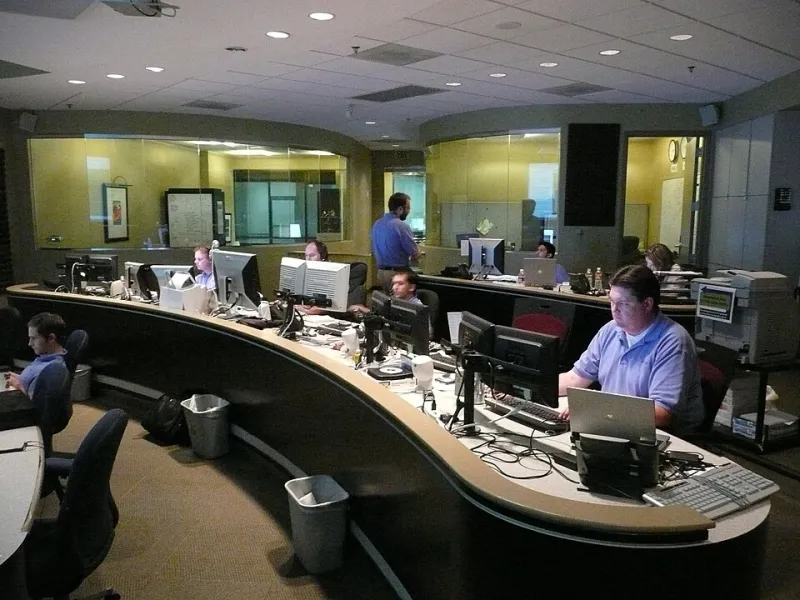
Photo: Foreign, Commonwealth & Development Office, CC BY 2.0, via Wikimedia Commons
Most UK cloud teams treat an outage like bad weather: grumble, update the status page, wait for the all-clear. But there is often a cheque attached to the storm, a service credit sitting unclaimed because nobody fancied the paperwork. Service credits are not compensation, and they will not make your customers whole. They are a contractual discount for missed availability. Still, if you are paying for a promise, you should collect when the promise slips.
What a service credit actually is
A service credit is usually a percentage of your monthly fee for the affected service, triggered when availability falls below the SLA target. The percentage may step up as availability drops. It is rarely automatic. You normally have to request it, cite the SLA, and supply evidence. Exclusions are broad: planned maintenance, emergency maintenance, force majeure, customer-side misconfiguration, unsupported configurations, free tiers and sometimes support-plan issues. Read the SLA as a contract, not a marketing page.
The three clocks that kill most claims
First is the notice window. Many providers require a claim within 30 to 60 days of the incident, sometimes by the end of the following billing month. Second is the evidence window: the best proof is captured while the outage is happening. Third is the billing cycle: even a successful claim may appear as a credit on a future invoice, not as cash. Put all three dates in the team calendar. A missed deadline is a donation.
Log before you need to
Build a simple service credit register. For each critical service, record the SLA target, how availability is measured, the claim window, the portal or email route, and the person who owns the claim. During an incident, capture timestamps in UTC and local time, screenshots of the provider status page, your own monitoring graphs, support ticket numbers, and a short note on user impact. Do not rely on the provider status page alone; it is written by the same organisation that owes you the credit. A shared folder with a consistent naming convention is enough. Fancy tooling is optional.
Build a claim that survives first review
Keep it factual. State the service, region, incident window, observed availability, the SLA target, and the credit you are requesting. Attach evidence. Ask for written acknowledgement and the expected credit date. Avoid adjectives; reviewers process claims, not grievances. If the provider has a portal, submit there and keep a screenshot of the confirmation. If you must email, use a clear subject line and ask for a ticket reference.
A simple template:
Subject: Service credit request — [service] — [incident date] Account ID: [number] Incident: [start and end time, timezone] Affected service and region: [details] Observed availability: [percentage or downtime] SLA commitment: [target] Requested credit: [percentage or amount] Evidence attached: [monitoring, status page, ticket] Please confirm receipt and the expected credit date.
When a credit is not worth the chase
A £12 credit against three hours of engineering time is not a victory. If the amount is trivial, log it and move on. If outages repeat, the credit is a symptom, not a strategy: use the pattern in your next renewal conversation. Service credits also rarely cover lost revenue, staff overtime or reputational damage, so do not let finance treat them as insurance. And if the provider is a strategic partner, a polite claim now is better than a resentful silence later.
A five-minute checklist
- Find the SLA and highlight the credit table and exclusions.
- Note the claim window and put a reminder in the calendar.
- Name an owner for each critical service.
- Create a shared evidence folder during the next incident.
- Submit the claim with the template above.
- Track the credit until it appears on an invoice.
The point is not to become a claims factory. It is to make sure the contract your UK team signed behaves like a contract. If availability slips, the credit may be small, but the habit is valuable. In 2026, with cloud bills under more scrutiny than ever, leaving contractual money on the table is an odd way to save effort.